
 By
By
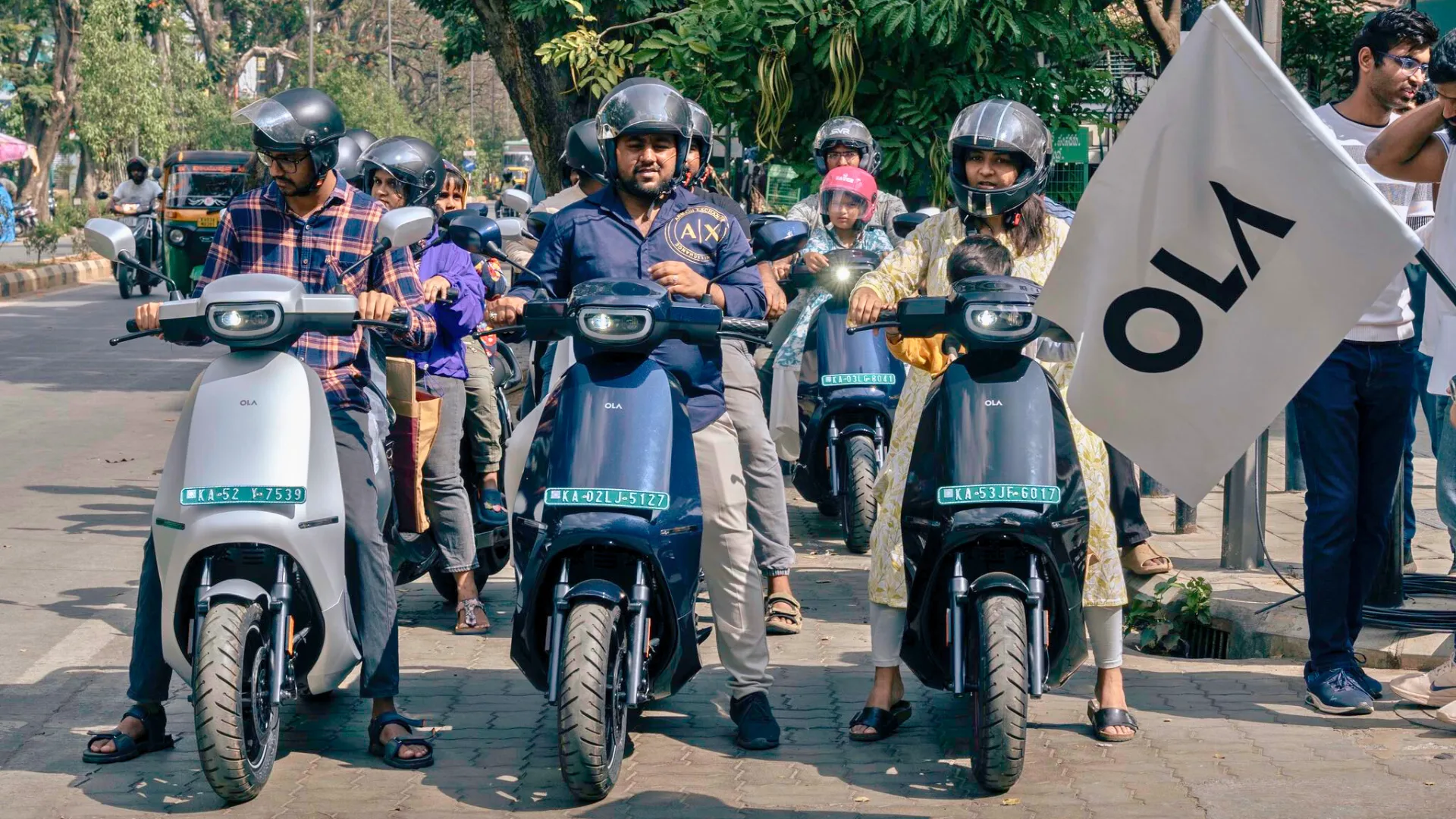
Ola Electric has begun rapidly scaling deliveries of its electric two-wheelers powered by the 4680 Bharat Cell, marking a key execution milestone for the company’s long-promised in-house battery programme.
The development was highlighted by CEO Bhavish Aggarwal in a post on X on December 14, where he shared videos and images of newly delivered vehicles and described the pace of deliveries as “scaling up fast.”
4680 vehicle deliveries are scaling up fast now! And so great to see the pride and excitement of the new owners ❤️ pic.twitter.com/gC6eCN4TCx
— Bhavish Aggarwal (@bhash) December 14, 2025
The rollout coincides with Ola Electric commencing Hyperdelivery for 4680-powered vehicles — a system that allows customers to complete purchase, registration, and delivery on the same day.
For buyers, this significantly reduces waiting periods that have traditionally stretched into weeks, especially for EVs.
New 4680 Bharat Cell: From Announcement to On-Road Reality
The 4680 Bharat Cell represents one of Ola Electric’s most ambitious technology bets. Designed and manufactured in-house, the cylindrical battery format is aimed at improving energy density, thermal performance, and long-term cost efficiency, while reducing reliance on imported cells.
After multiple announcements, certifications, and pilot-scale production updates over the past year, the start of visible customer deliveries signals a shift from promise to execution.
Vehicles powered by the new cell are now reaching customers, offering Ola a chance to prove durability, safety, and real-world performance at scale — something closely watched by both customers and competitors.
Hyperdelivery as a Customer Experience Reset
The introduction of Hyperdelivery for 4680 Bharat Cell vehicles is not just about speed. Ola has brought vehicle registration and delivery processes largely in-house, cutting down dependence on third-party agents and regional RTO bottlenecks.
For Ola, this is part of a broader attempt to reset its customer experience narrative, especially after facing criticism in the past over delivery delays, service responsiveness, and ownership challenges.
Tech Focus Intensifies: Ola’s ‘Crack Team’ Push
Alongside battery localisation, Ola has recently announced the formation of an internal “Crack Team” — a specialised group tasked with accelerating innovation across battery technology, manufacturing efficiency, and software systems. Read full report here on Ola Reportedly Forms 250-Member Crack Team to Fix Service Backlog.
This move underlines Ola’s renewed emphasis on engineering depth and execution discipline.
With EV competition intensifying and margins under pressure, in-house technology is increasingly seen as a strategic necessity rather than a differentiator.
Scaling Amid a Softer Sales Environment
The Hyperdelivery rollout and 4680 Bharat Cell scale-up come at a time when Ola Electric’s sales momentum has shown signs of softening, reflecting broader challenges in the electric two-wheeler market. Ola Electric saw the sharpest decline among top OEMs, falling to 7.18% share in Nov 2025 sales.
Increased competition, pricing pressure, and cautious consumer spending have weighed on volumes across brands.
For Ola, faster deliveries and visible technology leadership could play a critical role in rebuilding buyer confidence and sustaining demand.
The company appears to be betting that shorter wait times, improved ownership experience, and locally developed battery tech can help counter market headwinds.
Why This Phase Matters for Ola Electric?
This moment is significant for three reasons:
-
Execution Test: Scaling 4680 Bharat Cell vehicles in real-world conditions will validate Ola’s in-house battery strategy.
-
Customer Trust: Hyperdelivery addresses long-standing pain points around delivery timelines.
-
Market Positioning: As competition grows, Ola is repositioning itself as a technology-first EV company, not just a volume player.
Bhavish Aggarwal’s public emphasis on customer excitement and pride reflects a shift toward showcasing outcomes rather than announcements — a narrative Ola will need to sustain as deliveries increase.
As more 4680 Bharat Cell-powered vehicles reach Indian roads, the coming months will reveal whether Ola Electric can convert technological ambition into consistent customer satisfaction and stable sales growth.